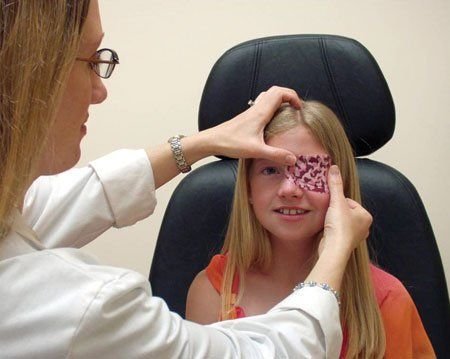
Amblyopia Therapy for Lazy Eye in Children and Adults in India
Amblyopia, commonly called lazy eye, is reduced vision in one or both eyes that glasses alone cannot fully fix. The weaker eye is usually healthy. The brain has simply learned to rely on the stronger eye. At Vasudeva Vision, our optometrists treat lazy eye with structured vision therapy, including software based therapy, that trains the brain and both eyes to work together. We help children, teens and adults across India.
Orthokeratology in India
What Is Amblyopia (Lazy Eye) and How Does Therapy Work?
Amblyopia is a developmental problem of vision. During childhood the brain and the eyes learn to see together. If one eye sends a blurry or misaligned picture, because of unequal glasses power, a squint or something blocking vision, the brain starts ignoring that eye. Vision in that eye then stays weak, even with the right glasses, and depth perception suffers too.
Amblyopia therapy works on the brain as much as on the eye. Glasses come first to give each eye a clear picture. Structured vision therapy, including software based therapy, then trains the weaker eye and teaches both eyes to share the work, so vision, coordination and depth perception can improve.
A straight answer: therapy improves vision in the weaker eye, but results depend on age, the cause and how regularly therapy is done. Earlier is easier, yet older children, teens and adults can improve too. We examine your eyes first and tell you honestly what to expect.
What causes lazy eye
The common causes are very different glasses power in the two eyes, a squint (eyes that do not line up), or anything that blocks clear vision early in life.
Why it is often missed
A child sees fine with the good eye, rarely complains and may show no outward sign. Many people only find out in school screening or as adults.
Why glasses alone may not be enough
Glasses give a clear picture, but the brain may still ignore the weaker eye. Therapy teaches the brain to use it.
Who it is for
Who Needs Amblyopia Therapy? Children, Teens and Adults
Lazy eye treatment for young children

The preschool and early school years are the best time to treat lazy eye, because the brain is still learning to see. A clear eye exam, the right glasses and a simple therapy plan can protect your child’s vision for life.
- Best results come from starting early
- Short, playful sessions suit young children
- Parents are guided at every step
Amblyopia therapy for older children and teens
If lazy eye was missed or only partly treated, improvement is still possible. Teens often do very well with structured vision therapy, because they can follow instructions and keep up regular practice.
- Meaningful gains are still possible
- Software based therapy keeps teens engaged
- Plans fit school and exam schedules
Adult amblyopia treatment
Many adults live with a weaker eye and never knew it could be treated. Structured vision therapy and binocular, software based therapy can improve vision and how both eyes work together. We tell you honestly what is realistic for your case.
- Never too late to get a proper assessment
- Can improve depth perception and comfort
- Therapy fits around work and family
Lazy eye with squint (strabismus)
A squint, where the eyes do not line up, is a common cause of lazy eye. Treating the lazy eye and teaching both eyes to work together can improve vision and coordination, whether or not surgery is also planned.
- Targets both vision and eye coordination
- Works alongside medical or surgical care
- We guide you to the right specialist when needed
Lazy eye from unequal glasses power
When one eye needs a much stronger prescription than the other, the brain favours the clearer eye. Correct glasses come first, and vision therapy then helps the weaker eye catch up.
- Glasses fitted carefully and checked
- Therapy trains the weaker eye
- Progress is measured at each review
Signs to look for
Signs of lazy eye to watch for
- Closes or covers one eye, or squints often
- Tilts the head to see better
- Poor depth perception, drops or misses a ball
- Eyes that do not line up (squint)
- One eye reads much less on a vision test
- No proper eye test done in childhood
Compare your options
Vision Therapy for Lazy Eye Versus Patching, Glasses and Eye Drops
01
Stronger weaker eye
Structured practice builds clearer vision in the eye the brain was ignoring.
02
Both eyes working together
Therapy trains the two eyes to team up, which supports depth perception and coordination.
03
Works beyond childhood
No glasses to fog or break, and no daytime lenses to lose or dry out.
04
Engaging software exercises
Game based tasks keep children and adults interested, so practice is easier to keep up.
05
Fewer patch struggles
Many families find therapy easier to follow than a patch worn for hours.
06
Planned around you
Your plan fits your age, the cause of lazy eye and your daily routine.
| Vision Therapy | Glasses | Eye Patching | Atropine Drops | |
|---|---|---|---|---|
| What it does | Trains both eyes and the brain to work together | Corrects focus errors | Covers the stronger eye so the weaker one works | Blurs the stronger eye with drops |
| Best for | Children, teens and adults | The first step for everyone | Young children | Children who dislike patches |
| Daily effort | Short guided sessions | Wear every day | Wear for set hours | Drops each day |
| Often used | Together with glasses or patching | With every other treatment | With glasses | With glasses |
Long-standing cases
Gains can be smaller
The longer lazy eye has been untreated, the slower and smaller improvement may be. Many people still gain useful vision.
Effort
It needs regular practice
Results depend on steady sessions over weeks and months. Skipping therapy slows progress.
Eye health
Other causes come first
We check the eye for problems like cataract or retinal disease. If we find one, we guide you to the right treatment first.
First step
Glasses must be right
If you need glasses, they must be correct and worn consistently. Therapy works best on a clear picture.
Compare your options
How Lazy Eye Therapy Works, Step by Step
Complete eye exam
We test vision in each eye, check focus, eye alignment and depth perception, and look at eye health.
Personal therapy plan
We prescribe glasses if needed and choose the therapy that suits your age and the cause of lazy eye.
Guided sessions
You practise with structured exercises and software based tasks, guided by our team, with home practice where it suits your family.
Progress reviews
We recheck vision regularly, adjust the plan and keep both eyes working together after vision improves.
Real Transformations, Real Patients
See how children and teens across India improved with structured vision therapy for lazy eye.
Age 9, both eyes
Improvement in Bilateral Amblyopia
A 9-year-old with amblyopia in both eyes showed steady improvement with structured vision therapy. Vision improved from 6/12 to 6/6 in both eyes, with better eye coordination.
View story ↗
Age 5, early treatment
Early Treatment for Lazy Eye
At age 5, early vision therapy helped correct lazy eye and improve visual development during critical years. Vision improved from 6/18 to 6/6.
View story ↗
Age 15, long-standing
Amblyopia Improvement in a Teenager
A 15-year-old with long-standing amblyopia achieved meaningful visual gains with consistent therapy. Vision improved from 6/60 to 6/12, supporting better daily function.
View story ↗Individual results vary and depend on age, cause, severity and how regularly therapy is done.
Worried about lazy eye in your child or yourself?
Book a consultation with our specialist optometrists. We examine both eyes, explain your options honestly and plan the next step with you.
Compare your options
Why Families Choose Us for Amblyopia Therapy in India
Four reasons people travel to us when other clinics could not help.
Specialty focus
We work on keratoconus, irregular corneas and eyes other clinics call hard to fit.
Lens design
A lens is chosen or custom designed to clear your cornea and sit evenly on the sclera.
Trial fitting
We check fit, clearance and vision on your eye, then fine-tune the lens.
Lens design
Corneal topography, tomography and a full eye exam show the exact shape of your cornea.

Mr. Rajeev Vasudeva
Senior Optometrist and FounderD.R.Opt, D.Orthopt, F.D.C.L
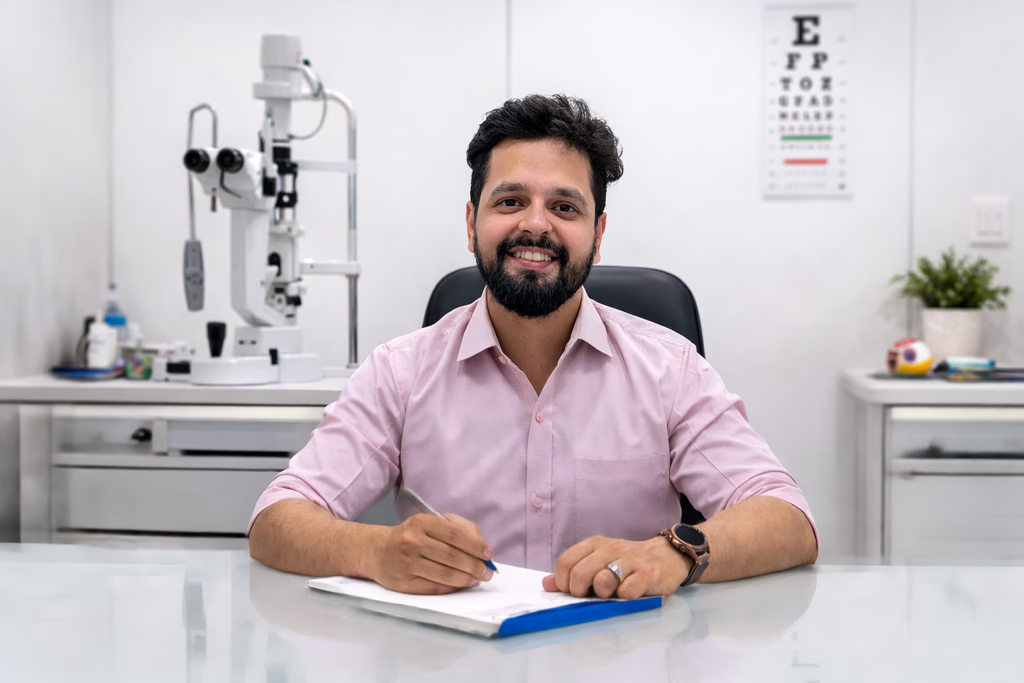
Mr. Ashiish Vasudev
Scleral Lens and Ortho-K SpecialistB.Optom, PGDOVS (Anterior Segment)
Google Reviews
What Our Patients Say
Four reasons people travel to us when other clinics could not help.
Rated by our patients on Google
Seen our work? Your review helps others with keratoconus find the right care.
FAQ
Lazy Eye FAQs: Age, Treatment, Duration, Cost and Common Questions
What is amblyopia, or lazy eye?
Amblyopia is reduced vision in one or both eyes that glasses alone cannot fully correct, even though the eye itself is usually healthy. It happens when the brain learns to ignore the picture from a weaker eye during childhood, so that eye does not develop normal vision.
What causes lazy eye?
The most common causes are very different glasses power in the two eyes, a squint where the eyes do not line up, and anything that blocks clear vision early in life, such as a cataract. Sometimes more than one cause is present.
Can lazy eye be treated in adults?
Yes, many adults can improve. Lazy eye was once thought to be treatable only in young children, but newer structured vision therapy and binocular, software based therapy have shown gains in older children, teens and adults. Results depend on the cause, how long the problem has been there and how regularly therapy is done, so we examine you first and tell you honestly what to expect.
At what age is lazy eye treatment most effective?
Treatment works best when it starts early, ideally in the preschool and early school years, while the visual system is still developing. That said, improvement is still possible later, which is why it is never too late to get your eyes checked.
How long does amblyopia therapy take?
It varies with age, severity and the cause. Many programs run for several weeks to a few months, and long-standing cases can take longer. We review vision at regular visits and adjust the plan, so you always know where progress stands.
Is software based vision therapy effective for lazy eye?
Game based, binocular therapies that train both eyes together have shown promising results in studies in both children and adults. They work best alongside correct glasses and regular follow-up, and they do not replace a full eye exam. We use them as part of a plan chosen for you.
Does my child still need glasses or an eye patch?
Often glasses come first, because a clear picture in each eye is the base of treatment. Some children also need patching or drops, and some do well with vision therapy alone. After the eye exam we recommend the simplest combination that is likely to work for your child.
Can lazy eye come back after treatment?
It can, especially if treatment stops too early. That is why we review you regularly, keep both eyes working together and watch for slipping vision, even after the numbers improve.
Is amblyopia therapy painful or safe?
Vision therapy is non-invasive and does not hurt. Sessions use exercises and screen based tasks, and the main effort is regular practice. We make sure children enjoy the activities so they keep going.
How do I know if my child has lazy eye?
Many children show no clear sign. Clues include closing one eye, tilting the head, clumsiness with catching a ball, eyes that do not line up and poor performance in a school vision test. The only reliable way to know is an eye exam, so please do not wait for symptoms.
How much does lazy eye treatment cost in India?
The cost depends on your therapy plan, whether glasses are needed and how many sessions and reviews are involved. After your eye exam we share a clear estimate, before any therapy starts.
Do I need an appointment, and can I come from another city?
Yes, please book by call or WhatsApp so we can set aside enough time for a complete exam. Patients travel to us from across India. Call first and we will tell you what to bring, including old prescriptions and your child’s glasses.
Book a consultation
Ready to See More Clearly?
Share a few details and our team will guide you on the next step.